
Wild about flowers
1 April 2013
Please note: this news article is in our archive. Articles were correct at time of publication, but should not be relied on for accuracy after the passage of time.
WITH Spring just around the corner, the East Grinstead in Bloom volunteers are hoping that this year’s planting will encourage bees.
An area of land on the corner of College Lane was seeded with a wild flower mix last year but a cold Spring yielded disappointing results as they failed to germinate, until heavy rain in August brought out a late but welcome crop of blooms.
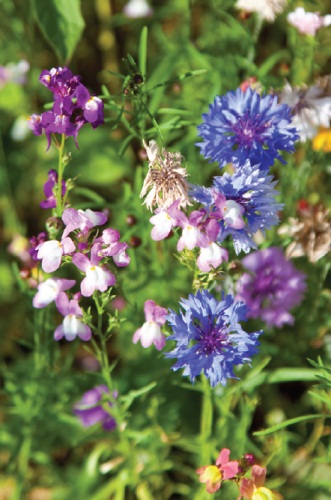
So this year the Bloom Committee, under chairman Julie Mockford, has sought the advice of botanist Steve Alton, the man responsible for the “fabulous verges in Ardingly” laughed Julie.
“With the UK’s bee population dwindling we really wanted to concentrate on wild flowers which will encourage and support the local bee population which is why we are also planting wildflowers around the station and liaising with the Bluebell Railway for their planters and hanging baskets.”
And if anyone wants to do their bit in their garden at home, Julie suggests that they too can grow plants which will encourage bees.
“The continuing crisis in our bee and bumblebee populations means the more we can do to help these and other pollinating insects, the better. Research has shown that honeybees can only forage to a maximum of three miles from their hive, which means that if they have to go farther afield to locate sources of food, they will die. So we want the town’s gardeners to create areas of garden rich in nectar-producing plants.
“Most of our best-beloved annuals fall into this category including poppies, cosmos, snapdragons, daisies and so on. Bumblebees prefer nectar-rich perennials and herbs like chives are among their favourites, but there are a number of websites like Buglife which provide all the information on what plants to choose for which insects.”